
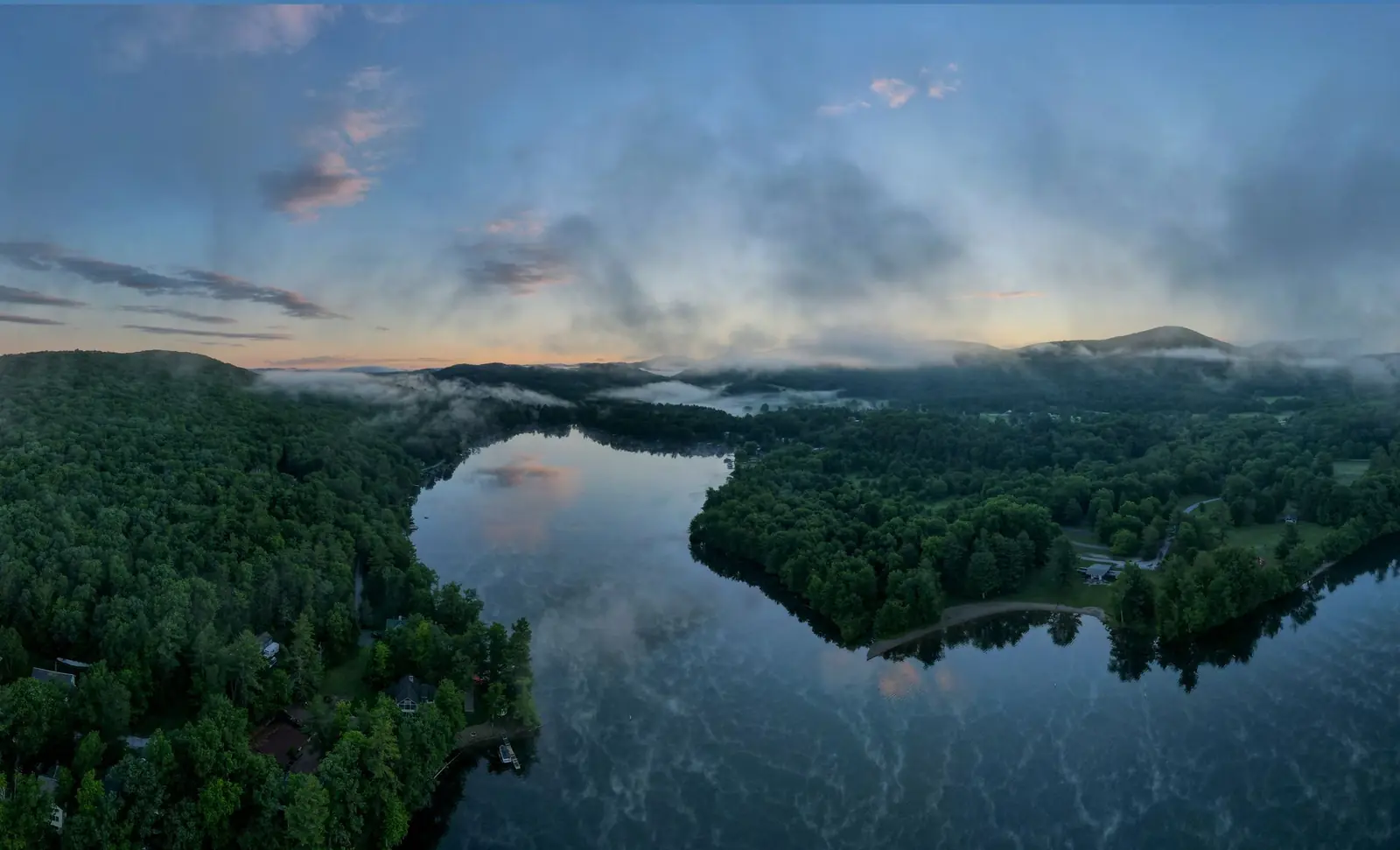
Drone Deer Recovery: Find the Deer You Shot With a Thermal Drone
Drone deer recovery is a search for a deer you have already shot, flown with a drone that carries a thermal camera.
- Typical rate
- $250 to $450 per search
Drone deer recovery: the essentials
When the blood trail runs out, the pilot scans the area where the deer went, spots its body heat through brush and timber, checks it with a zoom camera and guides you to it. It does not replace your own tracking: it starts where your trail ends.
Most searches happen the same evening or during the night, when the air is cool and a deer stands out clearly against the ground. A typical call comes from a bowhunter or a rifle hunter who lost the trail in thick cover, a cedar thicket, a cut cornfield or a creek bottom, and who would rather find the deer tonight than grid-search for hours or give up on it.
Whether a drone may be used for the search depends on the state where the deer lies: some states allow it with conditions, others do not. The rules of eleven states are summarized further down this page, each with a link to the state's own text.
Tell us where and when you shot: we contact the thermal drone pilots who work around your land and send you up to 3 quotes. Asking costs nothing, and hiring one of them is your call.
20 min to 2 hours
for a search, from bare trees to full leaf cover, according to an Ohio operator
30 to 50°F
the air temperature that operator calls ideal for a thermal search
36 hours
after death, a deer can still be found: the same operator says it is not unheard of
Sources for these figures
- Realtree, What Is Drone Deer Recovery? (09/14/2023), accessed 11/14/2026
Use cases
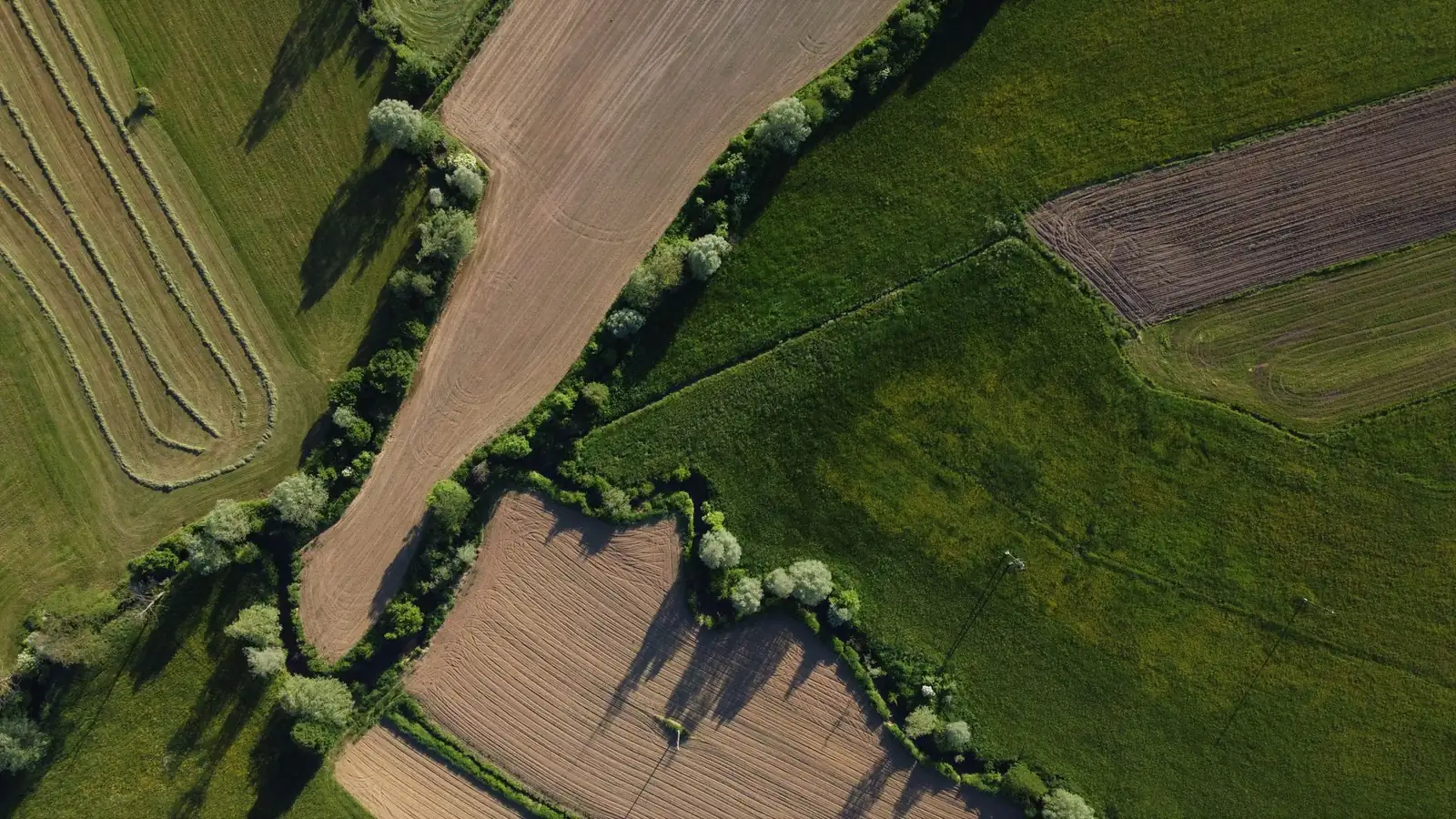
A deer lost after a bow shot
The arrow came back with little blood, the trail thinned out after a hundred yards and the light is fading. A thermal search covers the bedding cover around the last blood in minutes, without pushing a wounded deer farther.
A deer that ran into thick cover
Cedars, pines, standing corn, briars or a cattail marsh: places where walking in is slow and you can pass within a few yards of a deer without seeing it. From above, the pilot sees the heat of the animal and can put you on it.
A late rifle or muzzleloader shot on deer
A buck hit at last light that you could not follow in the dark. Instead of waiting for morning, a pilot can fly the area after dark, when the contrast between a deer and the cold ground is at its best.
A deer that crossed onto a neighbor's land
The pilot can tell you where the deer is so that you ask the right landowner before you go in. You still need the neighbor's permission to cross the line and retrieve it.
Turkey, bear, boar and other game
Some states that allow drone recovery cover more than deer: turkeys in Missouri, bear in Louisiana, bear, wild turkey and wild boar in West Virginia. Tell the pilot the species, and they confirm what they can search for where you hunt.
Hunting leases, outfitters and clubs
A lease manager, an outfitter or a hunting club can keep the number of a recovery pilot for the whole season, so every hunter who loses a deer has someone to call the same night.
Cost of drone deer recovery
Rates read on November 14, 2026 in two published cost guides and on the rate pages of two drone deer recovery pilots in Ohio. None of them is a price set by us: every pilot quotes their own.
| Service | Typical range | Unit |
|---|---|---|
| Typical professional drone deer recovery searchThePricer, drone deer recovery cost guide (11/09/2026) | $250 to $450 | per search |
| Short local thermal drone searchThePricer, drone deer recovery cost guide (11/09/2026) | $150 to $250 | per search |
| Professional recovery: pilot fee, drone costs and sometimes a success feeAdvexure, drone deer recovery article (06/11/2024) | $250 to $500 | per recovery |
| Ohio pilot: call-out with up to two hours of searching, deer not found or foundAcreWatch, South Charleston, Ohio, deer recovery rates (2026) | $250 to $350 | per call-out |
| Ohio pilot: base fee if the deer is not found, total if it is foundScioto-Hocking, Ohio, drone deer recovery rates (2026) | $200 to $350 | per search |
The usual structure is a search fee plus a smaller fee if the deer is found, with mileage past a set distance. Ask what is included before the pilot drives out.
What affects the price
- Distance from the pilot's base: the rate pages we read include 30 to 60 miles of driving, then charge per mile
- Whether the deer is found: many pilots add a found fee, dead or alive
- Time in the air: one Ohio pilot includes two hours, then bills each extra hour
- Leaf cover and the size of the area to search
- Night or short-notice call-outs
Sources
- ThePricer, how much does drone deer recovery cost, accessed 11/14/2026
- Advexure, the complex landscape of drone deer recovery, accessed 11/14/2026
- AcreWatch, deer recovery, accessed 11/14/2026
- Scioto-Hocking, drone deer recovery, accessed 11/14/2026
How it works, step by step
- 1
You describe the shot
The state and county, the time of the shot, where you shot from, the direction the deer ran, the last blood you found and the closest road access. The more precise, the shorter the search.
- 2
You receive up to 3 quotes
Each quote spells out the search fee, the fee if the deer is found, mileage past the included distance, and how soon the pilot can come. Pilots often confirm the state rules and the landowner's permission on the phone.
- 3
Before the flight
In the states that allow it, the recovery party usually leaves bows and long guns behind: Ohio requires that no one involved carries a hunting device, Missouri that no one holds a firearm, bow or crossbow while the drone flies. Oklahoma asks hunters to notify the local game warden before and after the search.
- 4
The thermal search
The pilot launches from the last blood or the shot site, scans the area with the thermal camera, then zooms on each heat source to tell a deer from a coyote, a hog or a bedded live deer. Under Part 107, a night flight needs anti-collision lighting on the drone.
- 5
You walk in
When the deer is found, the pilot guides you to it, by phone or on site. If the deer is still alive, the rules of several states make the pilot stop: in Ohio, the drone use ends before hunting can resume, and the pilot may share the deer's last location.
What you get
- The deer's location, shared to your phone or marked on a map
- Directions to walk in by the shortest route, avoiding the thickest cover
- A clear answer when the deer is not in the area searched, so you know where your own search can stop
- A quote with the search fee, the fee if found and the mileage, before the pilot drives out
When to call a drone pilot
Call as soon as you lose the trail and before you push into the cover where the deer may be bedded. An Ohio operator quoted by Realtree advises hunters to think about calling if they cannot follow the trail after 150 yards. A deer that has been bumped and has moved again is much harder to find, from the air as on foot.
Do not give up on a deer because the night has passed: the same operator says recovering a deer 36 hours after death is not unheard of. A fresh search is still the best chance, while the body is warm and before coyotes find it.
What to prepare before the pilot arrives
Mark the spot you shot from and the last blood on your phone, and note the time of the shot, the shot placement and how the deer reacted. Tell the pilot which way it ran and where the property lines are.
Have the landowner's name and number ready, and those of the neighbors the deer may have crossed to. Leave your bow or rifle in the truck: in the states that allow drone recovery, the search party usually goes in without a hunting weapon. Give clear driving directions, a gate code if there is one, and a safe place to launch.
Why a search can come up empty
Warm weather is the first reason: a thermal camera sees a difference of heat, and on a warm afternoon the ground, rocks and leaves can be as warm as a deer. The Ohio operator quoted by Realtree calls 30 to 50°F the ideal range. Full leaf cover is the second: the camera still picks up heat through the canopy, but the pilot has to look through small gaps to confirm it is a deer.
A deer that was only grazed may still be on its feet and miles away; a deer pushed by a hunter who went in too early often leaves the area. Searches also stop at property lines when a neighbor cannot be reached, and in several states the pilot stops as soon as the deer is found alive.
Is drone deer recovery legal in your state?
Drone deer recovery falls under each state's hunting rules, and they differ. Of the eleven states below, six allow it with conditions (Ohio, Missouri, Indiana, Louisiana, Oklahoma and West Virginia) and five do not (Texas, Pennsylvania, New York, Georgia and Minnesota). In New York and Pennsylvania, leashed tracking dogs may be used to recover a deer instead.
Federal rules apply to the flight itself. Under section 107.29 of the FAA's Part 107 rule, a drone may fly at night only if the remote pilot has completed the initial knowledge test or training after April 6, 2021, and the drone carries anti-collision lighting visible for at least 3 statute miles; the same lighting is required during civil twilight. Under section 107.12, a person flying a small drone under Part 107 must hold a remote pilot certificate, and Louisiana's rules require one for a deer recovery flight.
This table repeats the official texts linked in each row, read on November 14, 2026. Rules change from season to season and do not replace your state's own text: check with your state's wildlife agency before calling a pilot.
| State | Drone recovery allowed? | Main conditions | Official source |
|---|---|---|---|
| Ohio | Yes, with conditions | Drones may aid in the recovery of a deer when no one involved in the recovery carries a hunting device. If the deer is found alive, drone use stops before hunting resumes; the operator may give its last location. | Ohio Department of Natural Resources, Ohio Hunting and Trapping Regulations 2026-27, accessed 11/14/2026 |
| Missouri | Yes, with conditions | After a deer or turkey has been shot, to locate and recover the wounded animal. Permission of the property owner (a conservation agent on a conservation area). No firearm, bow or crossbow in possession while the drone flies, except a concealable firearm not used to take wildlife. | Missouri Department of Conservation, 2026 Fall Deer and Turkey Hunting Regulations, accessed 11/14/2026 |
| Indiana | Yes, for a legally harvested deer | Drones may be used to recover deer that have been legally harvested, and thermal technology to search for them. Drones may not be used to locate and take deer. | Indiana Department of Natural Resources, Deer Hunting Equipment, accessed 11/14/2026 |
| Louisiana | Yes, with conditions | Recovery of a deer or bear reasonably believed to be mortally wounded, outside legal hunting hours, over private land with permission and without a weapon. Pilot with an FAA Part 107 certificate. No drones on wildlife management areas. | Louisiana Department of Wildlife and Fisheries, 2026-2027 Hunting and WMA Regulations (updated 10/16/2026), accessed 11/14/2026 |
| Oklahoma | Yes, on private property | Notify the local game warden before and after the search and record the flight. No method of take while recovering. If the animal is alive, notify the warden, land at once, and no hunting for at least 4 hours. No hunting in the same area the same day. No drone takeoff, flight or landing on lands owned or managed by the ODWC. | Oklahoma Department of Wildlife Conservation, General Hunting Regulations, accessed 11/14/2026 |
| West Virginia | Yes, for mortally wounded game | A hunter may use a drone, or a licensed drone operator, to track and locate a mortally wounded deer, bear, wild turkey or wild boar. Tracking counts as hunting and needs a valid hunting license; an operator paid for tracking must be licensed as an outfitter or guide. | West Virginia DNR, Hunting and Trapping Regulations Summary, July 2026 to June 2027, accessed 11/14/2026 |
| Texas | No | Use of drones to locate wounded animals is not permitted. | Texas Parks and Wildlife Department, Hunting Means and Methods (valid 09/01/2026 to 08/31/2027), accessed 11/14/2026 |
| Pennsylvania | No | As of the 2026-27 digest, drones may not be used in any part of hunting, including tracking and recovery of game. Leashed tracking dogs may be used to recover a deer, bear or elk. | Pennsylvania Game Commission, 2026-27 Hunting & Trapping Digest, accessed 11/14/2026 |
| New York | No | The DEC treats tracking and recovery as part of the hunt and says state law does not allow drones for it, for hobby and commercial pilots alike. Licensed leashed tracking dogs may be used. | New York State DEC, Hunting and Trapping newsletter (11/21/2023), accessed 11/14/2026 |
| Georgia | No | The 2026-2027 guide lists using a drone to locate any game species, on public or private land, among unlawful activities. | Georgia DNR Wildlife Resources Division, 2026-2027 Georgia Hunting & Fishing Regulations, accessed 11/14/2026 |
| Minnesota | No | The DNR states that using drones to take game includes using them to recover dead or wounded game, which is not allowed. | Minnesota DNR Enforcement, Drone use while hunting (09/19/2025), accessed 11/14/2026 |
Sources
- eCFR, 14 CFR 107.29, operation at night, accessed 11/14/2026
- eCFR, 14 CFR 107.12, remote pilot certificate, accessed 11/14/2026
- Ohio Department of Natural Resources, Ohio Hunting and Trapping Regulations 2026-27, accessed 11/14/2026
- Missouri Department of Conservation, 2026 Fall Deer and Turkey Hunting Regulations, accessed 11/14/2026
- Indiana Department of Natural Resources, Deer Hunting Equipment, accessed 11/14/2026
- Louisiana Department of Wildlife and Fisheries, 2026-2027 Hunting and WMA Regulations (updated 10/16/2026), accessed 11/14/2026
- Oklahoma Department of Wildlife Conservation, General Hunting Regulations, accessed 11/14/2026
- West Virginia DNR, Hunting and Trapping Regulations Summary, July 2026 to June 2027, accessed 11/14/2026
- Texas Parks and Wildlife Department, Hunting Means and Methods (valid 09/01/2026 to 08/31/2027), accessed 11/14/2026
- Pennsylvania Game Commission, 2026-27 Hunting & Trapping Digest, accessed 11/14/2026
- New York State DEC, Hunting and Trapping newsletter (11/21/2023), accessed 11/14/2026
- Georgia DNR Wildlife Resources Division, 2026-2027 Georgia Hunting & Fishing Regulations, accessed 11/14/2026
- Minnesota DNR Enforcement, Drone use while hunting (09/19/2025), accessed 11/14/2026
Your project in a few clicks
Answer the first questions here: they carry over to your request.
Answer in one click, or skip to the next step.
ContinueFrequently asked questions
What is drone deer recovery?
Drone deer recovery is a search for a deer you have already shot, using a drone with a thermal camera. The pilot flies over the area where the deer went, spots its body heat through the brush, confirms it with a zoom camera and guides you to it. It picks up where your blood trail ends and does not replace your own tracking.
How much does drone deer recovery cost?
Drone deer recovery costs $250 to $450 for a typical professional search and $150 to $250 for a short local search, according to ThePricer's 2026 cost guide; Advexure, a drone equipment dealer, gives $250 to $500 per recovery. Two Ohio pilots publish $250 to $350 and $200 to $350, depending on whether the deer is found. Most add mileage past 30 to 60 miles of driving.
Is drone deer recovery legal in my state?
It depends on the state. In the official texts we read on November 14, 2026, Ohio, Missouri, Indiana, Louisiana, Oklahoma and West Virginia allow drone recovery with conditions, while Texas, Pennsylvania, New York, Georgia and Minnesota do not. Conditions often include no weapon during the search, the landowner's permission and stopping if the deer is alive. Rules change by season: check with your state's wildlife agency before the search.
Is drone deer recovery legal in Ohio?
Yes. Ohio's 2026-27 hunting and trapping regulations allow drones to aid in the recovery of a deer, provided that no one involved in the recovery is carrying a hunting device at the time. If the deer is found alive, the drone use must stop before hunting can resume, and the drone operator may give the location where the deer was last seen. Any other use of a drone to hunt deer is not allowed.
How do I find drone deer recovery near me?
Describe the shot and enter your county, city or ZIP code. We reach out to thermal drone pilots who work in your area and send you up to 3 quotes, for free. Most pilots cover a radius around their base and charge mileage beyond it, so a pilot close to your land is usually the fastest and the cheapest.
How soon should I call, and how long does a search take?
Call as soon as you lose the trail, before you push into the cover. An Ohio operator quoted by Realtree says a search takes about 20 minutes without leaves and up to two hours under full canopy, and that recovering a deer 36 hours after death is not unheard of. The sooner the search, the warmer the deer and the clearer the thermal image.
Can a drone fly at night to find a deer?
Yes, under federal conditions. Section 107.29 of the FAA's Part 107 rule allows night flights when the remote pilot has completed the initial knowledge test or training after April 6, 2021, and the drone has anti-collision lighting visible for at least 3 statute miles (eCFR, read on 11/14/2026). State hunting rules still decide whether the recovery itself is allowed, and some set hours: Louisiana allows it outside legal hunting hours.
Drone or blood-tracking dog: which should I call?
Both find deer that a hunter could not. A drone covers open and thick ground fast from above and, according to the Realtree report, does not push other deer during the search; a leashed tracking dog follows the scent trail on the ground. Where drones are not allowed, as in New York and Pennsylvania, leashed tracking dogs may be used to recover a deer.
What happens if the deer is still alive?
The search changes. In Ohio, the drone use stops before hunting can resume, and the operator may share where the deer was last located. In Oklahoma, the hunter notifies the game warden, the drone lands at once and hunting may not resume for at least 4 hours. Ask the pilot how they handle it before the flight.
Is it free to request quotes?
Yes. Describing your search and receiving quotes is free, and you don't have to hire anyone. If you choose a pilot, you pay them directly, based on their quote.
Related services
Tell us about your project
Free for you. We reply within 2 business days.